A Divine Vocation of Irrelevance
On how the worth of a soul
is the abundance it doesn’t express.
≈ 3,000 words · about a 15 minute read
On how the worth of a soul
is the abundance it doesn’t express.
≈ 3,000 words · about a 15 minute read
How did the great rivers and seas become the Lords of the ravines?
the Tao Te Ching
By being good at keeping low…
i.
K. 626 · viii
The number above is a conservative estimate of how many human beings have ever existed: everyone who was born, drew breath, and died, on every continent, across the few centuries we can name and the far greater stretch we cannot.1
You and I are this number: 2.
Alexander of Macedonia and Jesus of Nazareth, the shopkeeper at the mouth of a New York subway and the financier in the tower up the road on Wall Street. Those people, taken together, are this number: 4.
Wolfgang Amadeus Mozart was this number: 1.
Sit with that for a moment. Set your one life against the hundred and eight billion and it does not register; it is a rounding error folded inside a rounding error. And nearly all of those hundred and eight billion are gone now past any recovery. No name written down, no face painted, no sentence kept. The few we remember are an accident of record-keeping, not a verdict on the worth of the rest. Each of the others was, to themselves, the entire number: a whole world, seen once, from a single window, and then closed.
Mozart was one. Thirty-five years of more creative energy spent than most of the hundred billion could dream in three lifetimes. At the very end he was bent over a Requiem he would not live to finish. His Lacrimosa, so “full of tears”, breaks off after eight bars in his own hand.2 One of the most fluent souls to live died in the middle of a phrase, the rest of his music still inside, unwritten. Another man, his pupil, finished the page so the work could be sold (press the play button to listen in to the close of the story).
We have wept to it for two centuries without quite knowing the tears are partly for the bit he never set down, for that abundance lost with him, never to be expressed.
This story is not the exception. Held against the ledger of the hundred and eight billion, it’s the rule. “Lacrimosa” is every life; broken off early and fuller than its record. Its story told, if at all, by another voice.
So pretend for a moment that you’re not up against an algorithm intent on swallowing your identity whole or an army of teenage influencers with capabilities to transmit their media to millions at a time with aplomb.3 Pretend that your life is set against the number on the ticker above…
Full of tears will be that day, when from the ashes shall rise the guilty to be judged. Therefore spare them, O God; merciful Lord Jesus, grant them rest. The Lacrimosa, from the Requiem Mass
ii.
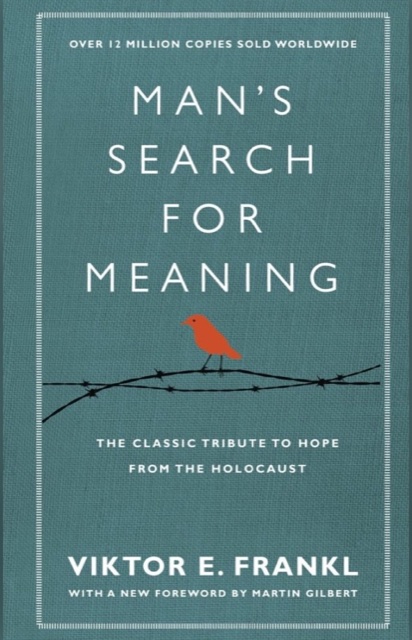
All the literature on purpose (and by “all” I mean very nearly everything the great logotherapist and Auschwitz survivor Viktor Frankl had to give us4) says just a few vital things, and then says them again for those despondent by modernity’s failure to heed them.
The first is that meaning is not invented but found. You don’t pick a purpose the way you assign a variable value; you discover what’s being asked of you in the unique situation within which you stand. The second is that your telos5 lives in just three places: the things we make, people we love, and way we carry suffering. That final place, the one the camps taught him and that guided his life’s work, is that a person who has a why can bear almost any how.
Notice what’s absent: fame and the accolades of your peers or betters. Being known, or remembered, or living a life that scales. He watched men stripped of every civilized measure of worth (name, profession, family, future, the hair on their own bodies) and found that meaning never left when those had departed. A prisoner’s meaning survived in a remembered face, in a sunrise seen through wire, in a crust of bread given away. The most important fact about a life turned out to be the least transferable one.
I have spent my life performing for others a worth I feared I did not have.
Somewhere between Frankl’s century and ours, the word was deracinated from its generative home amidst the horrors of his time. Purpose had less to do with what life did to you and became instead a tool for what you could do to life. It took on the meaning “impact” often does. Your reach, your footprint, your legacy, the dent you leave upon history. To have a purpose now is to be for something, to someone, at scale; simply to be is no longer thought to be enough.
It’s a strange paradigm for creatures who are, as evidenced by the counting number with which we began, almost certain to be forgotten. We have taken the rarest and most private kind of meaning and yoked it to the one outcome we can least control. We call the result ambition and treat ambition’s absence as a failure of nerve or inability to “dream big” (an unexamined phrase I could argue has done more damage to culture than almost any other).
But the purpose of purpose was never to make us matter to the crowd. It was to make our hours bearable and good. A telos that survives only if a thousand strangers affirm it is not meaning, it’s marketing. Those who need the path before them paved by another and ready to run themselves find, one day, that they’ve gone down the wrong road with little attention to what call their own soul yearns to answer.
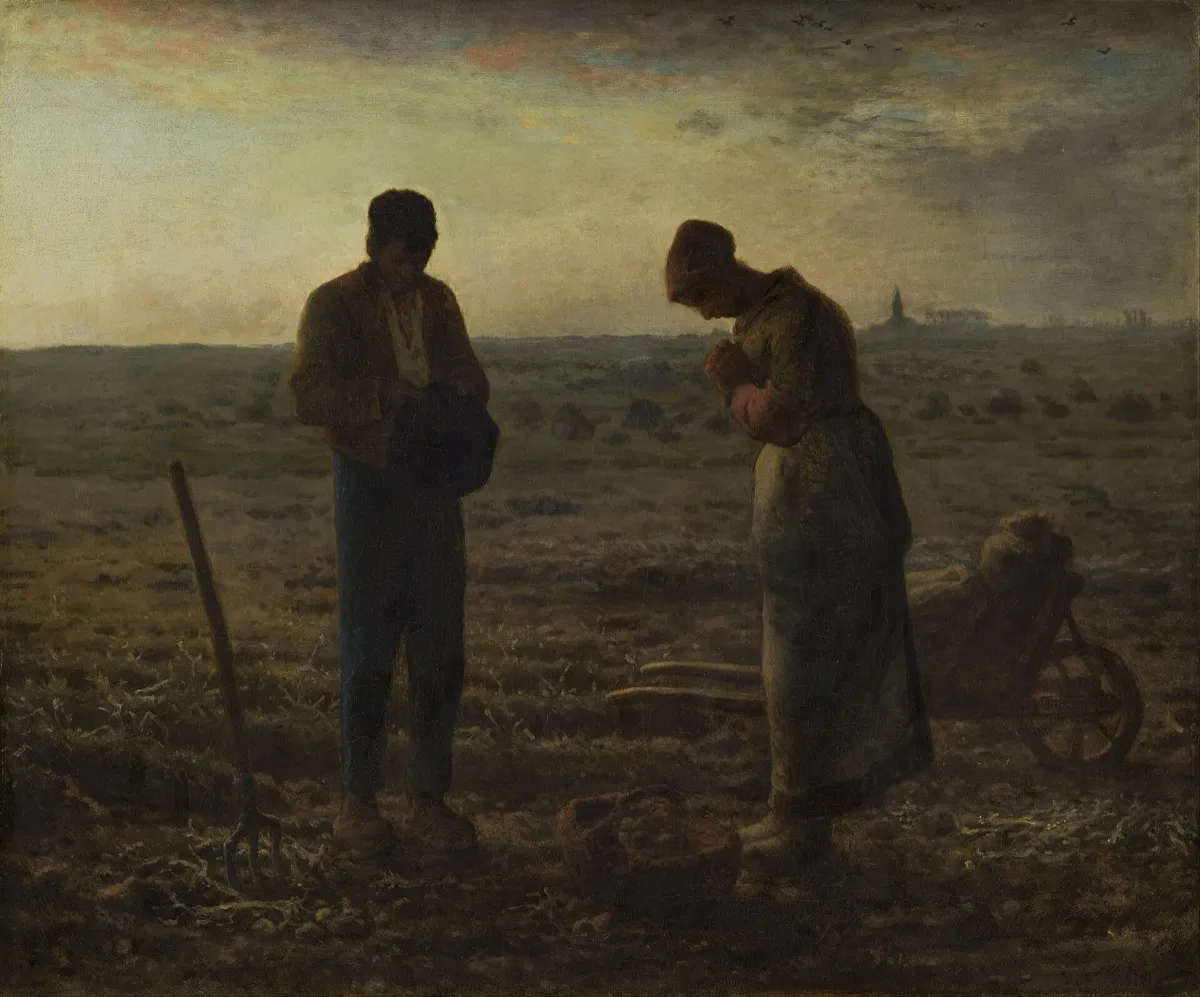
“A person who has a why can bear almost any how.”
iii.
The reflex of the age is toward relevance. It wants to fight against the ticker, be the exception, buy as much immortality as your performance can purchase. In contrast, the meditation of a previous age pulls us back to a different center.
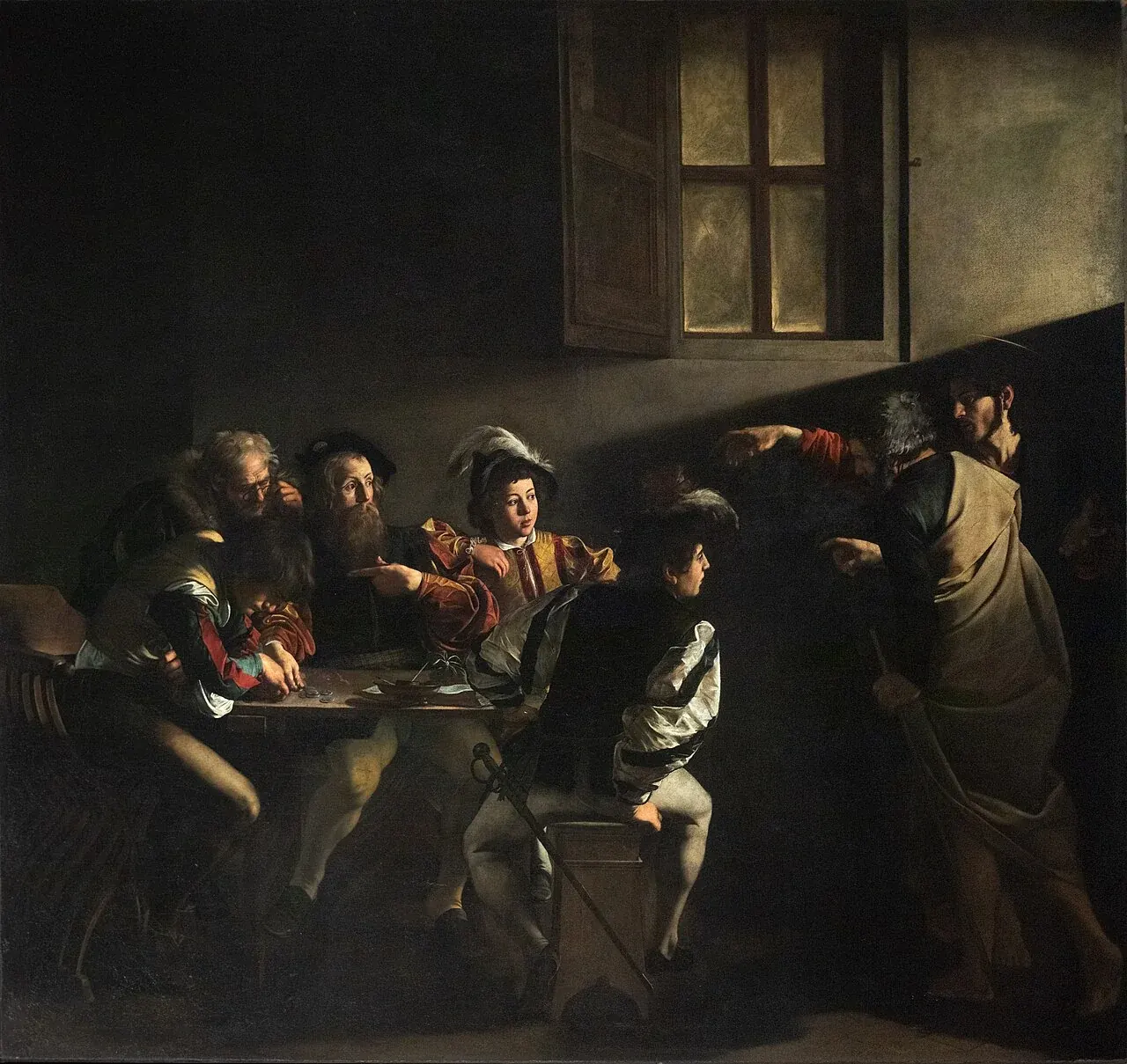
Caravaggio painted the instant a tax collector is called.6 Christ stands half in shadow at the right and points; the light crosses the room and lands on a shame-faced, self-centered man, soon to be called Saint Matthew, who looks up from his coins with a hand to his chest and a question. Me? A calling arrives this simply and suddenly. It points to where you’re already sitting, doing the unglamorous thing you’re already doing to remake an underwhelming reality into the fullness of all time and being.
The direction of the call (as for Saint Matthew, so for us) is not up and out toward the crowd but down and in toward the particular. It is toward the one task, the few people, the actual room that has our name on it. It is the perennial work of sifting through the self to see what lies beneath the baggage and identities our culture, our parents, and our peers try to hand us.
It’s a demotion if you were counting on playing God. Otherwise, it’s the clearest map to freedom we’ve found.
It points to where you’re already sitting, doing the unglamorous thing you’re already doing.
iv.
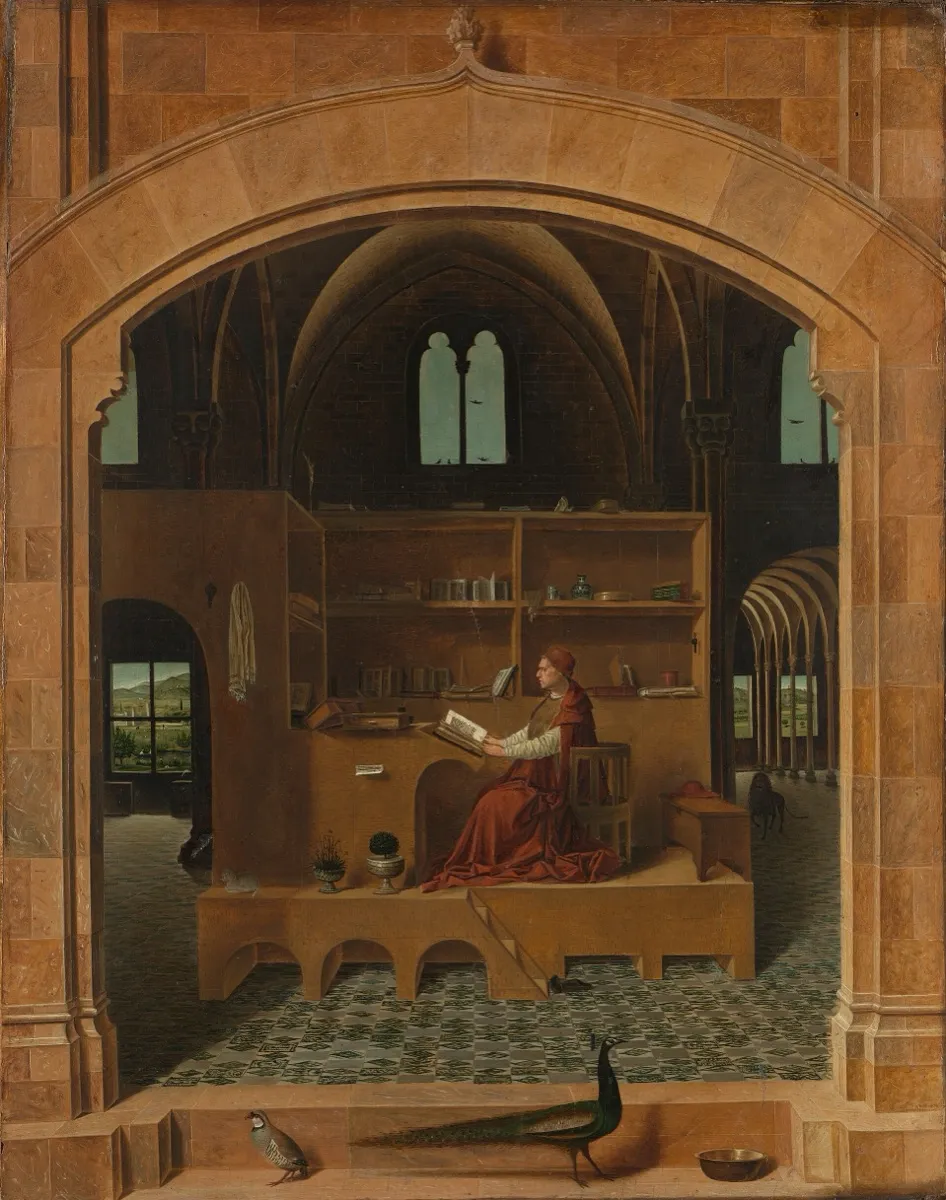
Consider these, some of the humblest tools a person can hold. A child uses them before she can read. They cost almost nothing. They make no sound, reach no audience, and leave a mark you can rub out with the other end of the same pencil. They are the opposite of a monument.
But most of what’s worth doing is done by these kinds of tools: the private, cheap, invisible, and for their own sake tools. A person works through a problem on the back of a napkin. They keep a notebook no one will read. They practice scales for an empty room, draw the same figure a hundred times, write a letter and never send it. None of it scales. All of it’s real.
The modern instinct is to ask of every such act: but what is it for? Where does it go? Who sees it? The pencil has a better answer than we do. It says that the making was the point, that a mark can be filled with worth and then erased. Losing nothing but its spatiality, that mark’s worth culminates in the movement of a hand across a page. Contrary to the market’s opinion, a painting doesn’t generate value just when framed but while still wet.
We built an economy on the opposite belief: that the unwitnessed act is a wasted one, that to do a thing without capturing it is to not have done it at all. In a kind of madness, we suggest existence itself, the actions and words we speak into the world, matter not unless they are remembered, reified, or reoccur in places other beings will witness their effect.
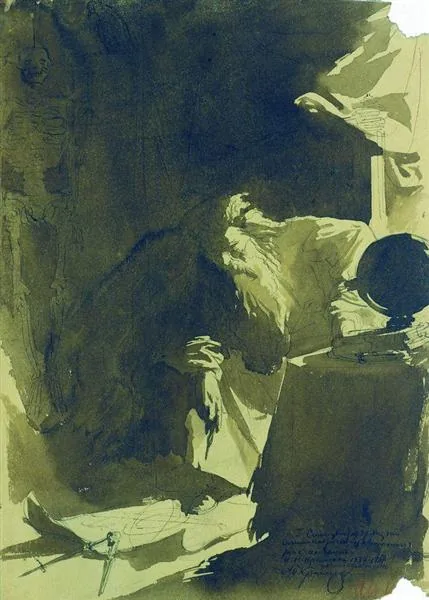
The pencil doesn’t ask where the drawing will end up. It’s content to be used, then set aside, then, someday, lost. If we choose to, we can find an analogous paradigm for our own reality. But we first have to kill some dreams…
None of it scales. All of it’s real.
v.
There were two old dreams of the universal. Both are ending in our time.
The first was the dream of universal reach: the promise, made loudest in the early years of the internet, was that anyone could now speak to everyone, that the gate was gone and the planet was “woven” together7. We connected the world through fiber optic cables. What we didn’t foresee was that a universal audience is the same as no audience. At scale, hearing collapses into a feed, which requires an algorithm, which produces more discordant data than anyone can rise above. Universal reach turned out to be a very loud kind of silence. One in which, as the great media theorist8 mused, they forgot “what they were laughing about and why they had stopped thinking” (Or rather, they forgot what they were called to be and why they had stopped becoming it).
The second was older and grander: the dream of the universal work and the universal man. A genius who speaks to all people in all centuries. The entrepreneur (envisioned even before that word’s time) who could build a tower to last millennia and leave a mark beyond their generation’s small perch on the timeline. Atomics ended this dream, substantializing the fragility of life in even the grandest works of a civilization.
In the wake of universality’s end, something new can arise. For unless a kernel of wheat falls to the ground and dies, it remains only a single seed; but if it dies, it produces many seeds9…
When the universal ends, the particular is handed back to us. And the particular has an older name…
Vocation: from the Latin vocare, to call: not something chosen, but something found.
You are released from the obligation to be for everyone, and freed to be for someone: to write for the few who will actually read you, to make for the town you live in, to matter intensely and locally and then to stop. A life cut to the size a human being can actually fill.
vi.
A refrain is the line to which a song returns. The old refrain, the one the whole culture hums, goes: be someone, be seen, leave a mark, do not be forgotten. It’s catchy. It’s a lie. It sets more people against their own lives, plodding away at a false career, self-image, or goal, than almost any other tune we regularly hear.
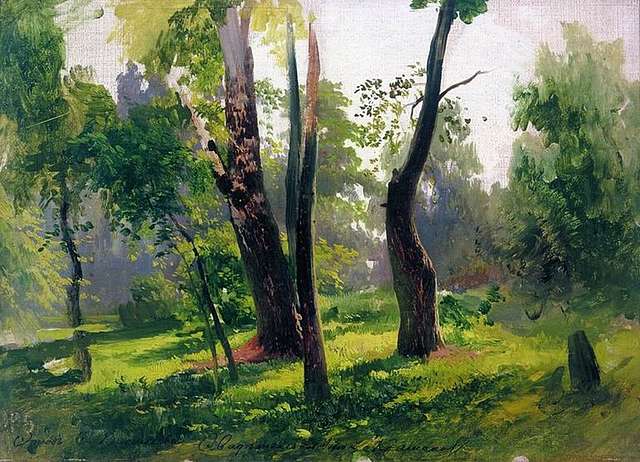
The painting here is a study of trees by Fyodor Vasilyev, a Russian who made it young and was dead at twenty-three.10 A forest is the great standing argument against the old refrain. It grows, leafs, seeds, drops, and rots with no audience and no record, and it loses nothing by it. Planting is silent and growth is invisible.
That’s the trouble with people, their root problem. Life runs alongside them, unseen. Richard Powers, The Overstory
So here is a new refrain, to be sung quietly, mostly to oneself: it is enough to have lived, and loved the near people well, and gone unrecorded. It does not chart. It will never trend. It happens to be true in a way the old refrain never was.
be someone, be seen, leave a mark, do not be forgotten.
it is enough to have lived, and loved the near people well, and gone unrecorded.
But it’s harder to sing when nothing sings back. No notification affirms our lifestyle, no metric ticks up and to the right when you offer a quiet word of encouragement or write another poem on your Sabbath. You have to take the worth of it on faith, the way the forest does, the way the pencil does. The reward for the new refrain is the same as the reward for the old work: it was real, and it was yours, and that was always going to have to be enough.
vii.
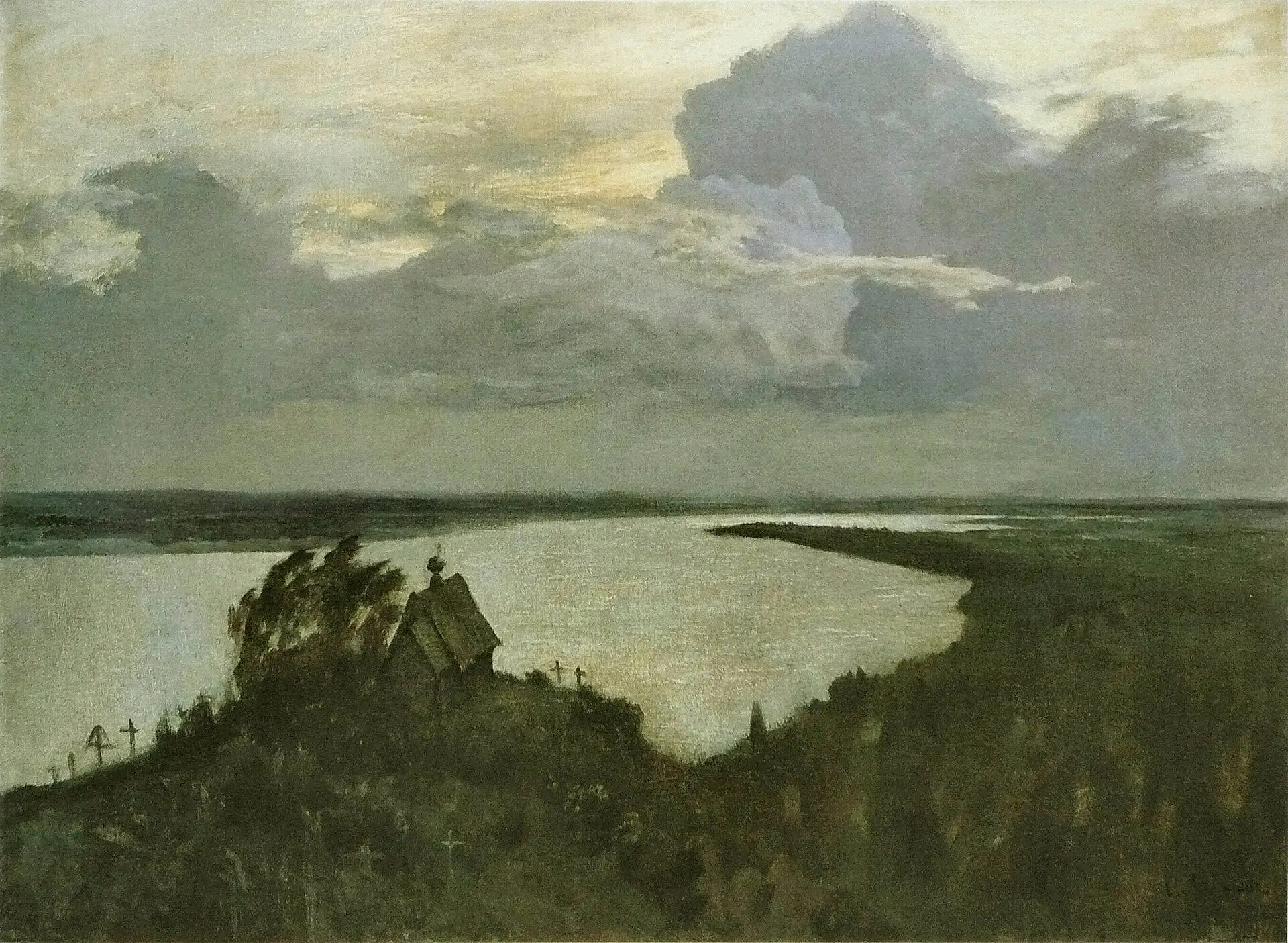
Back to where we started. The worth of a soul is the abundance it doesn’t express. A painting sealed in a locked room is not one brushstroke less made than the one that draws crowds; the canvas does not need an audience. The value it holds is embedded within what it is, in the hands that made it, and nowhere else.
In the winter of 1879 Vincent van Gogh was a failed missionary in the Borinage, the black coal country of southern Belgium. He was dismissed by his own mission board for taking the work too literally, having given away his clothes, his bed, and most of his food. He remained. With nothing left to give the miners but his presence and attention, he drew.
Look at who he chose, there and for the rest of his too-short life: miners’ wives bent under sacks of coal, weavers at their looms, diggers, sowers, an old man with his head in his hands. His first great painting sat five peasants around one dish of potatoes. He bore no guile in its implications. The hands in the dish were the same hands that had dug the food from the ground. The people no one would ever paint were worth painting. He gave their faces the color of the earth they worked and meant it an honor.
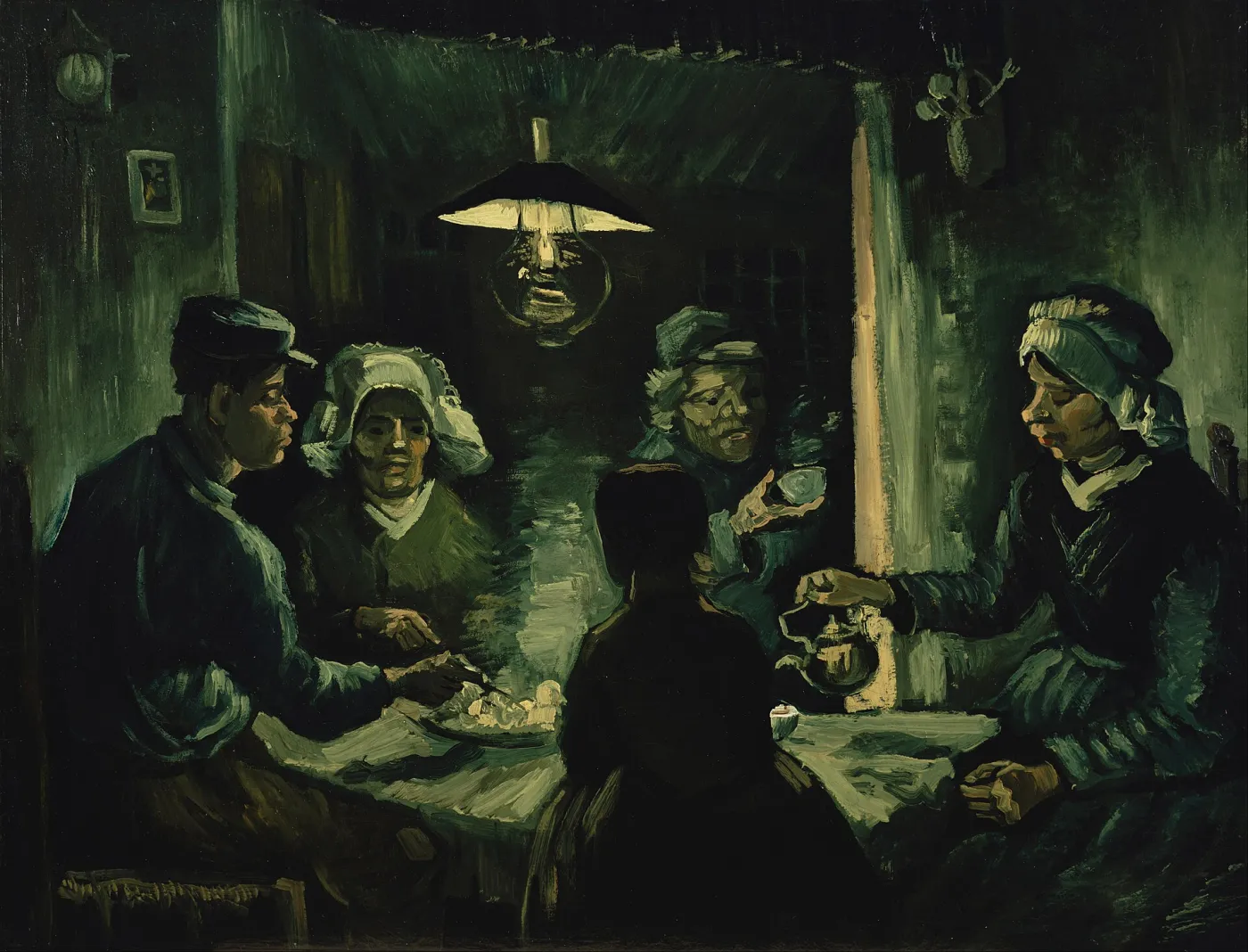
And the world returned the verdict you would expect: none of it mattered. In his lifetime Van Gogh sold one painting.11 One, against some nine hundred canvases and a thousand drawings, the miners and weavers and potato eaters among them. By every ledger his century kept, painter and subjects alike were accounted irrelevant. His age was wrong twice in the same way: it went looking for the worth in the wrong room.
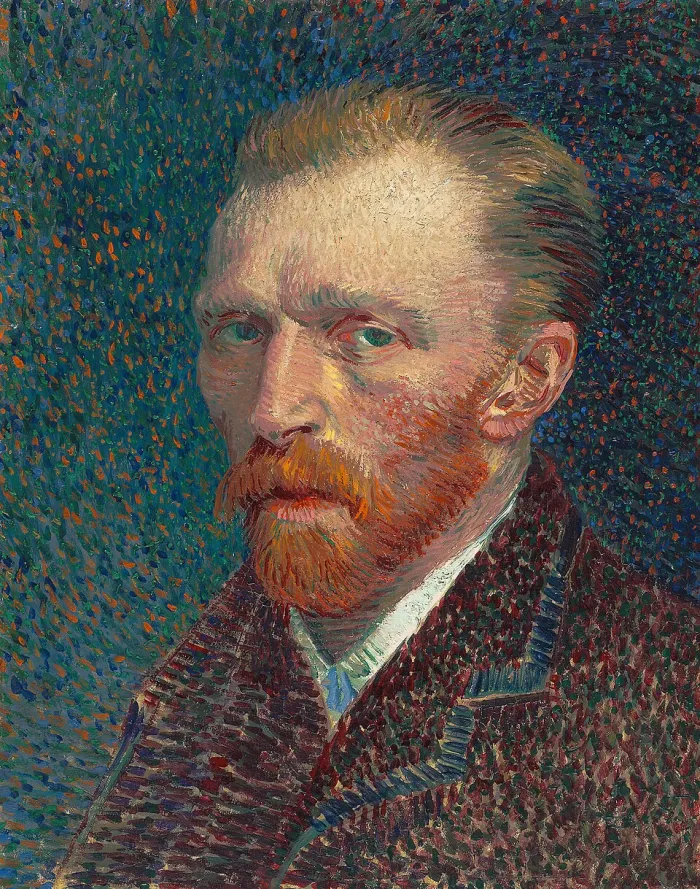
wrong about the painter,
wrong about those he painted.
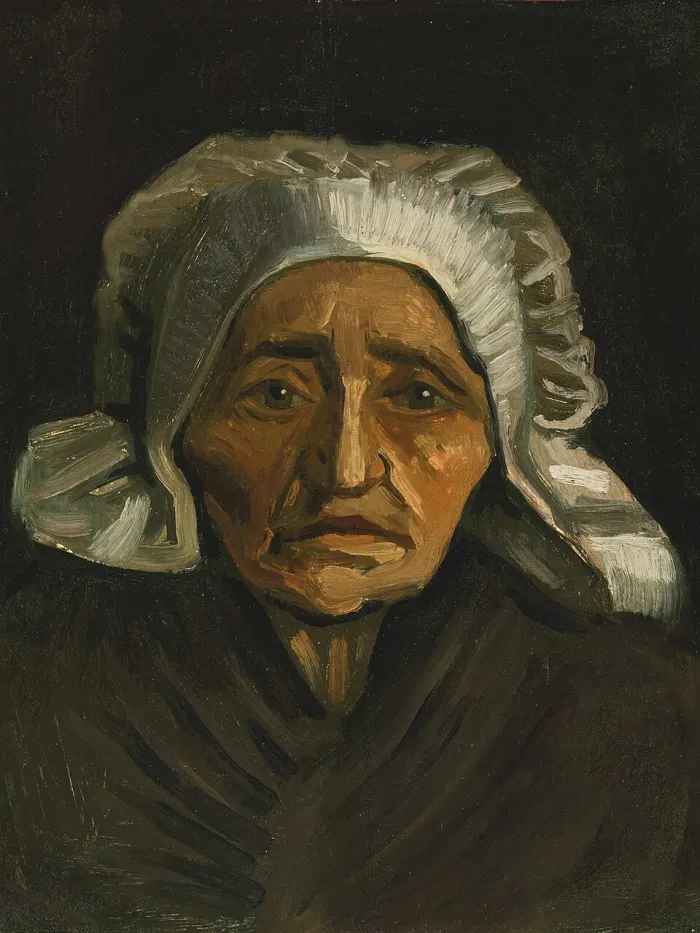
A soul is a shaped thing of this kind. Its value does not rest on the ledger of the remembered. It rests in the hand that holds it. And if there is an artist whose hand that is, call it the divine, call it whatever you can bear to call it, then the unexpressed abundance in every life is not, after all, poured out into nothing. The eight bars Mozart never wrote are not lost to the One who heard them before he did. The whole of each forgotten life among the hundred and eight billion is seen, entire, by someone to whom it was never irrelevant at all.
This is what turns irrelevance from a wound into a vocation. Van Gogh looked at lives the whole economy had already spent, sat them under the lamp, and painted them as carefully as anyone ever painted a king. To be irrelevant to the crowd, to history, to the feed, is to choose a new purpose and to have your worth kept somewhere other than that place everyone else looks. The artist values creation for what it is. She sees within the act of creation a chance to splash colors together and work with raw materials, ideas, and beings that draw the deep parts of herself together in alignment…
It rests in the hand that holds it.
viii.
You will be forgotten. The numbers guarantee it. This isn’t a tragedy but the ordinary condition of every life that’s ever been lived.
You are released, then. Released from the duty to matter at scale, to be seen, to get the whole of your abundance said before the dark. That was never the assignment. Wendell Berry put the whole of it in one line: “our only real freedom is to know and faithfully occupy our place — a much humbler place than we have been taught to think — in the order of creation.”12 Not to enlarge the place. To occupy it, faithfully. The assignment was smaller and harder and better: to do the pencil-and-paper work, to love the few people in the room with us, to answer the calling addressed to you by name. And to let the rest stay unexpressed and unoptimized for reach.
The worth was never in the expression. It was in you, the whole time, like eight bars no one has heard yet. Full of tears, perhaps. But kept. So pick the pencil up tonight, and make a mark no one will see…
While you read this, about — people began a life. They, too, will be forgotten by almost everyone, and were never, for that, worth any less.